
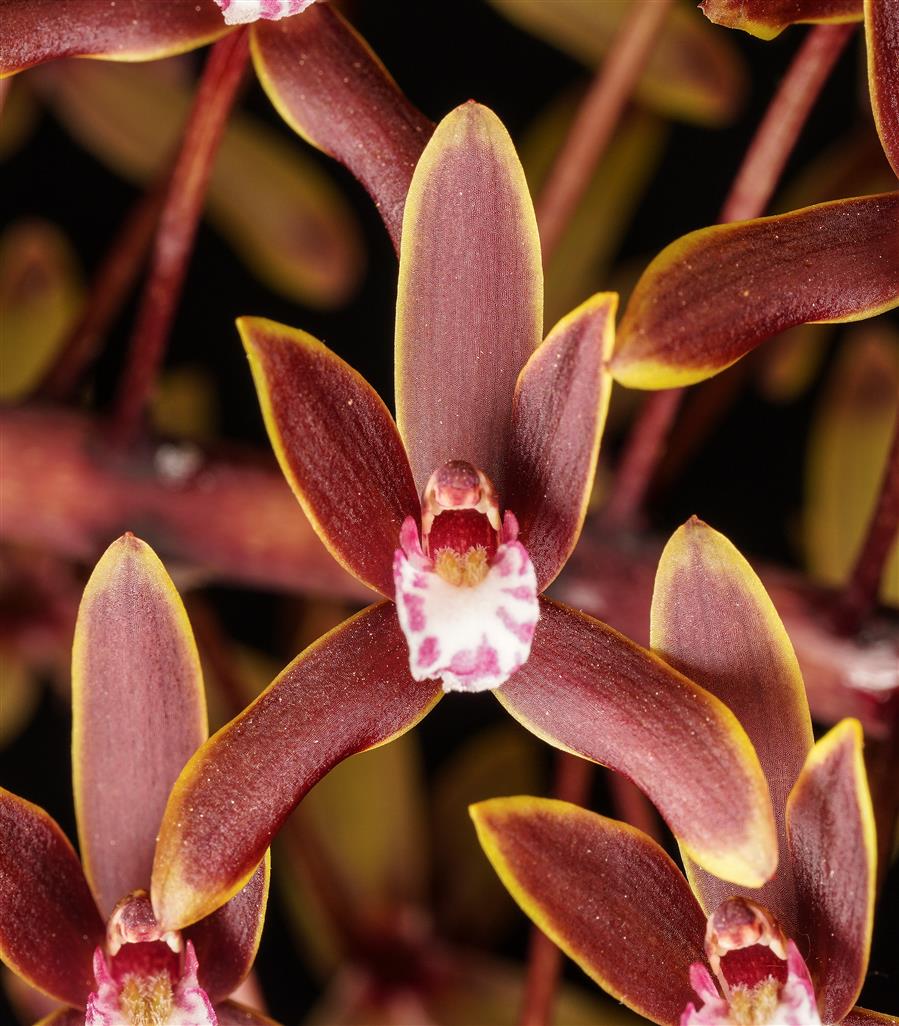
If you’ve ever wandered through the dry woodlands of inland Australia and spotted a striking cluster of waxy, perfumed blooms dangling from a hollow tree, you’ve likely encountered one of the continent’s most extraordinary botanical treasures — Cymbidium canaliculatum. Known affectionately as the Native Cymbidium or Boat Orchid, this tenacious beauty has been captivating botanists, collectors, and garden enthusiasts for well over two centuries.
A Little History — With a Dash of Quirk
Cymbidium canaliculatum was formally described by the prolific Scottish botanist Robert Brown in 1810, during his legendary survey of Australian flora — a journey that would ultimately give the world thousands of new plant species. Brown, travelling aboard HMS Investigator, reportedly had quite the time preserving specimens in the brutal Australian heat, with accounts suggesting more than a few choice words were uttered over wilting collections.
By the Victorian era, Australian orchids had become something of an obsession among British collectors. Wealthy enthusiasts would pay handsomely to have living specimens shipped back to England, where they were often — and tragically — killed through well-meaning but entirely incorrect care. The Victorians, bless them, assumed tropical warmth and humidity were the answer to all orchid problems. Cymbidium canaliculatum, being a tough, semi-arid Australian native, most certainly did not agree.
It wasn’t until collectors began corresponding with Australian botanists in the latter half of the 19th century that the penny finally dropped: this orchid preferred dry conditions, bright light, and a good deal of neglect. A humbling revelation for the hothouses of England.
Five Fun Facts About Cymbidium canaliculatum
- It lives in hollow trees. Unlike most orchids that cling to bark or grow in soil, Cymbidium canaliculatum is uniquely adapted to growing inside the decaying hollows of eucalyptus and other native trees. It tucks its roots into the rotting heartwood — a lifestyle as unconventional as it is clever.
- The name means “little channel.” The species name canaliculatum comes from the Latin for “channelled” or “grooved,” referring to the distinctive channelled leaves that run lengthwise — a feature that helps the plant shed water efficiently in its seasonally dry habitat.
- It’s a magnet for native bees. Cymbidium canaliculatum is pollinated primarily by native Australian bees, which are drawn in by the flower’s sweet, spicy fragrance. The scent is strongest in the morning — perfect timing for a busy bee.
- The flowers can last for months. One of the most extraordinary things about this orchid is its extraordinary flower longevity. Blooms can remain on the plant for up to 12 weeks, making it one of the longest-flowering orchids in Australia.
- Aboriginal Australians valued it highly. Indigenous communities across Australia’s interior regarded the plant with great respect, and its presence in a tree was considered a marker of that tree’s age and ecological health. The roots and pseudobulbs were occasionally used for their moisture content during long journeys through arid country.
Growing Cymbidium canaliculatum — Care Guide
This orchid is wonderfully suited to Australian gardeners and makes a rewarding houseplant for those willing to respect its origins.
Light: Provide bright, indirect light or dappled sunlight. This species tolerates far more sun than most orchids but dislikes harsh afternoon exposure in summer.
Watering: Less is decidedly more. During the growing season (spring–summer), water moderately and allow the medium to dry between waterings. In winter, reduce watering significantly — a dry rest period triggers flowering.
Potting Medium: Use a coarse, free-draining mix — chunky bark, perlite, and a small amount of charcoal works beautifully. Avoid standard potting mix entirely.
Temperature: Warm to hot summers and cool, dry winters mimic the plant’s natural habitat. A temperature drop in winter is essential for flowering.
Fertilising: Feed with a diluted, balanced orchid fertiliser every 3–4 weeks during the growing season. Cease feeding in winter.
Repotting: Only when absolutely necessary — Cymbidium canaliculatum resents root disturbance and performs best when slightly pot-bound.
Frequently Asked Questions
Why isn’t my Cymbidium canaliculatum flowering? The most common culprit is insufficient winter cold and dryness. This species requires a pronounced dry, cool rest period to initiate flower spikes. Reduce watering and move the plant to a cooler spot from late autumn onwards.
Can I grow it indoors? Yes, provided it receives very bright light — a north-facing window (in Australia) is ideal. Avoid low-light corners; this orchid is no wallflower.
How often should I repot? Ideally, as infrequently as possible. Every 3–5 years is usually sufficient. Repot only when the plant is actively bursting out of its container.
Is it safe for pets? Cymbidium orchids are generally considered non-toxic to cats and dogs, though it’s always wise to discourage curious pets from chewing on any plant.
Can Cymbidium canaliculatum grow in tropical climates? This is where things get tricky. *Cymbidium canaliculatum* is naturally found in seasonally dry, inland regions of Australia rather than humid coastal tropics, so it can struggle in classic tropical conditions. The high year-round humidity and lack of a cool, dry winter rest period — which the plant relies on to trigger flowering — are the main challenges.
That said, growers in tropical and subtropical areas have had some success by growing it in a sheltered, well-ventilated spot with excellent airflow, placing it in a cooler air-conditioned space during winter months to simulate the dry rest period it craves, being very conservative with watering year-round to prevent root rot, and choosing elevated positions such as hanging baskets to improve drainage and air circulation. The honest truth is that gardeners in Darwin or Cairns will find it considerably more challenging than those in Brisbane, Perth, or inland regions — but with a little creative mimicry of its natural habitat, it’s not impossible.
Where can I buy one? Look for specialist native plant nurseries or Australian orchid societies, which often hold sales and shows. Avoid wild collection — this species is protected in many states. You can purchase Cymbidium canaliculatum from specialist native orchid nurseries such as Outback Orchids, who specialise in Australian native orchids and are an excellent place to start your collection. Avoid wild collections — this species is protected in many states.
For more information on growing orchids or to buy any of my handmade orchid pots start here for my four part growing series and visit my shop to see my limited edition potsnjewels and orchid mounts 🌸
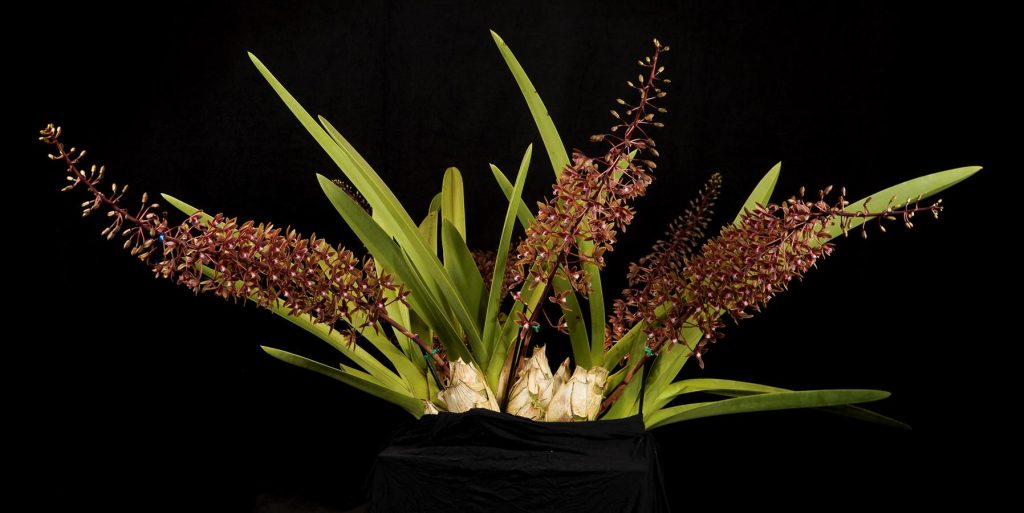
You can also join one of the biggest orchid organisations in the world to learn more at the American Orchid Society
#AustralianOrchids #CymbidiumCanaliculatum #NativeOrchids #OrchidCare #GardeningAustralia #OrchidLovers #NativePlants #IndoorPlants #OrchidOfTheDay #AustralianNativePlants #OrchidGrowing #PlantCare #WildflowersAustralia #BoatOrchid #OrchidCollector