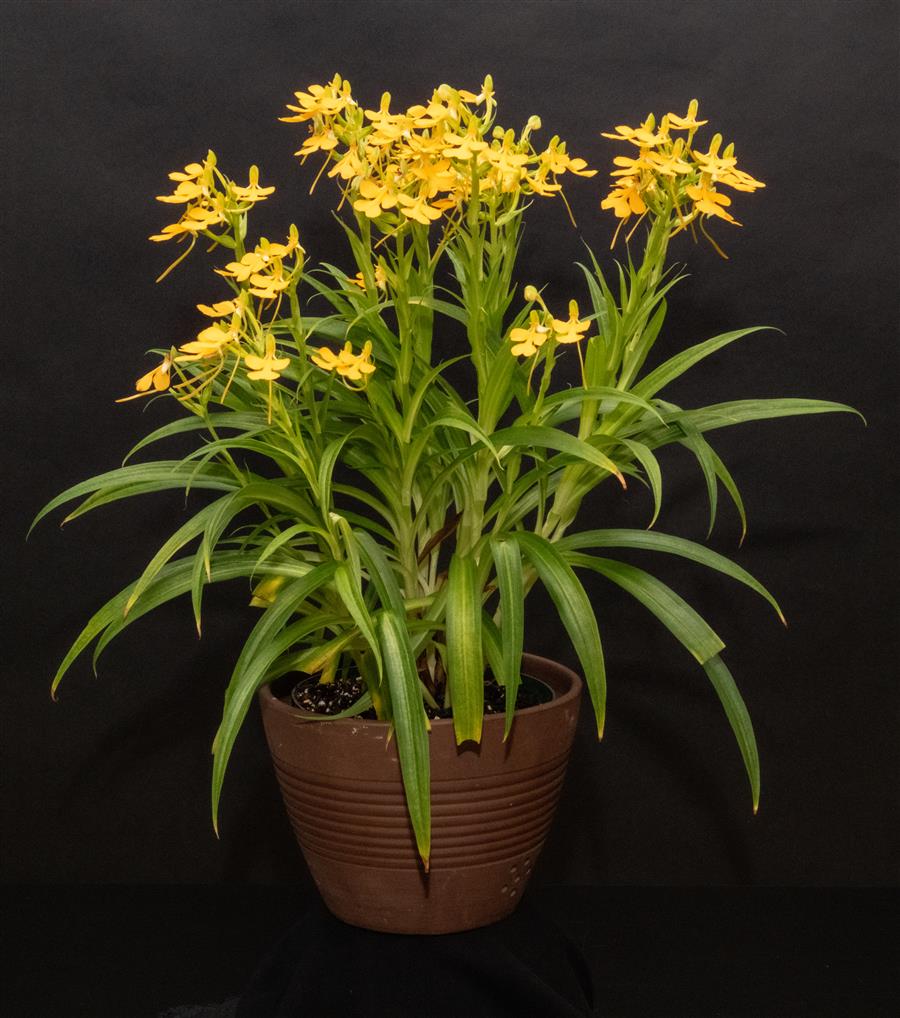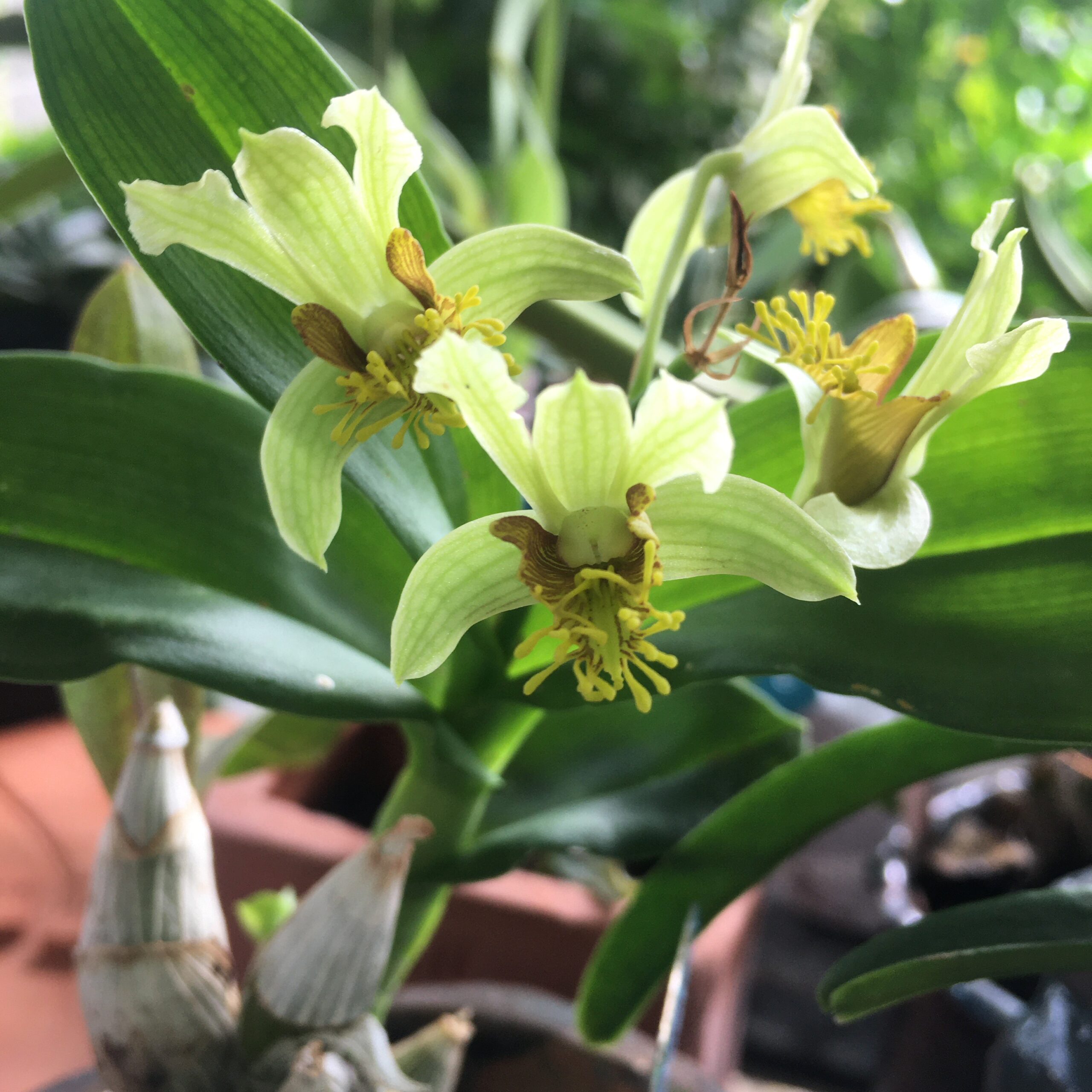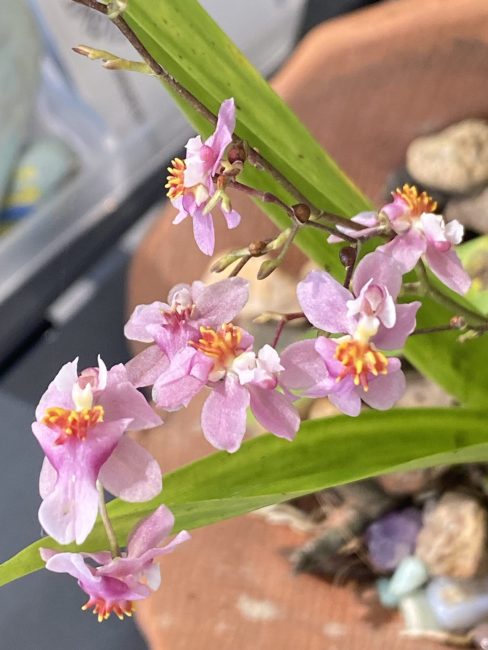
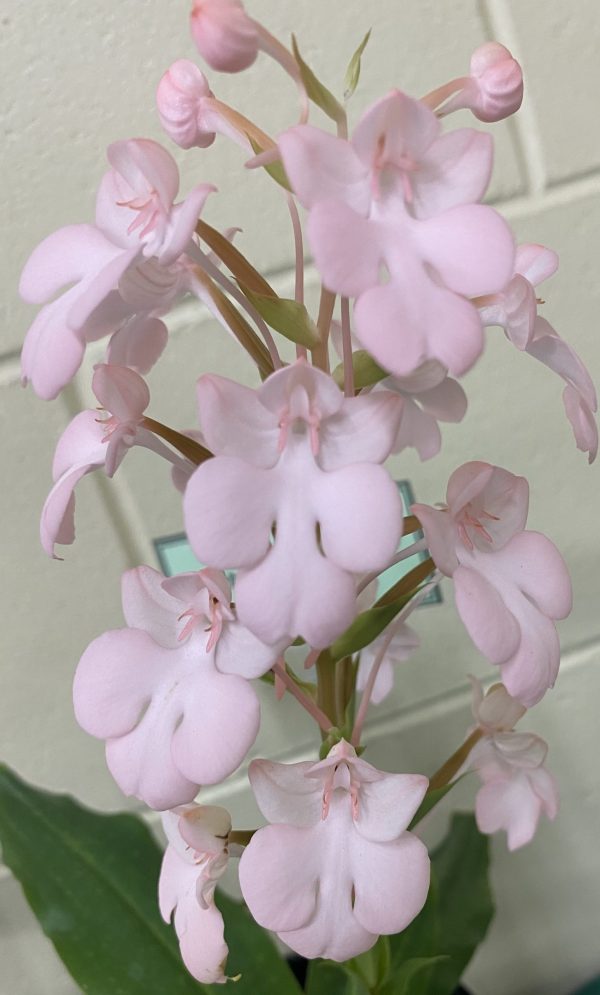
The genus Habenaria is a diverse and fascinating group of terrestrial orchids, prized for their intricate flowers and seasonal growth cycles. While many species are temperate, a number of warm to hot growing Habenaria species thrive in tropical and subtropical conditions—making them particularly relevant to Australian growers. Understanding their natural cycle is the key to success.
Growth Habit and Seasonal Cycle
Warm-growing Habenaria species are terrestrial orchids that grow from tubers, not pseudobulbs. These tubers act as storage organs, allowing the plant to survive periods of dormancy. According to guidance from the American Orchid Society, the growth cycle is strongly seasonal:
- Active growth (spring to summer): Leaves emerge, followed by flowering.
- Dormancy (late autumn to winter): Foliage dies back completely, and the plant rests.
This cycle must be respected. Attempting to keep plants actively growing year-round often leads to rot or decline.
Light Requirements
Warm-growing Habenaria prefer bright, filtered light rather than direct, harsh sun. In their native habitats, they are often found in open grasslands or lightly shaded areas, receiving dappled sunlight.
- Ideal light: Bright shade to early morning sun
- Avoid: Intense midday sun, which can scorch leaves
Healthy plants will display upright, fresh green foliage, not dark, floppy leaves (too little light) or yellowing (too much light).
Temperature and Climate
These species are well suited to warm to hot conditions, aligning nicely with tropical and coastal Australian climates.
- Day temperatures: 22–32°C
- Night temperatures: 15–22°C
They do not tolerate cold well, and prolonged exposure to low temperatures during active growth can stall development.
Watering: The Critical Factor
Watering is where most growers succeed—or fail.
During active growth, Habenaria require:
- Consistently moist (but not waterlogged) media
- Regular watering, especially in warm weather
However, once the leaves begin to yellow and die back:
- Reduce watering gradually
- Once dormant, keep the medium almost dry
The American Orchid Society emphasises that wet conditions during dormancy can cause tuber rot, which is one of the most common causes of loss.
Potting Media and Containers
As terrestrials, Habenaria require a fine, moisture-retentive but well-draining mix. Suitable components include:
- Fine bark
- Peat or coir
- Perlite or sand for drainage
The goal is a medium that stays lightly moist but never stagnant.
Shallow pots are often preferred, as tubers tend to sit near the surface. Good drainage is essential.
Feeding and Nutrition
During the growing season:
- Apply a dilute, balanced fertiliser regularly
- “Little and often” is best
Once dormancy approaches:
- Reduce feeding
- Stop entirely once growth has ceased
This mirrors the plant’s natural cycle and prevents nutrient build-up in inactive media.
Flowering and Display
Warm-growing Habenaria are grown primarily for their distinctive and often finely detailed flowers, which can resemble insects, birds, or delicate lacework.
Flowering typically occurs in summer, following a period of strong vegetative growth. Adequate light, consistent moisture, and correct seasonal care all contribute to reliable blooming.
Common Challenges
Even experienced growers can encounter issues. The most frequent problems include:
- Tuber rot – usually from excess moisture during dormancy
- Weak growth – often due to insufficient light
- Failure to re-emerge – commonly linked to incorrect dry rest
The solution in nearly every case is to refine seasonal care, rather than increase inputs.
Why They Suit Australian Growers
For growers in warm regions, including North Queensland, these orchids are particularly rewarding. Their preference for warmth, humidity, and seasonal rainfall patterns aligns well with local conditions.
With careful attention to their natural rhythm, Habenaria can become a reliable and fascinating addition to a tropical orchid collection.
For more information about growing orchids see my four part article here