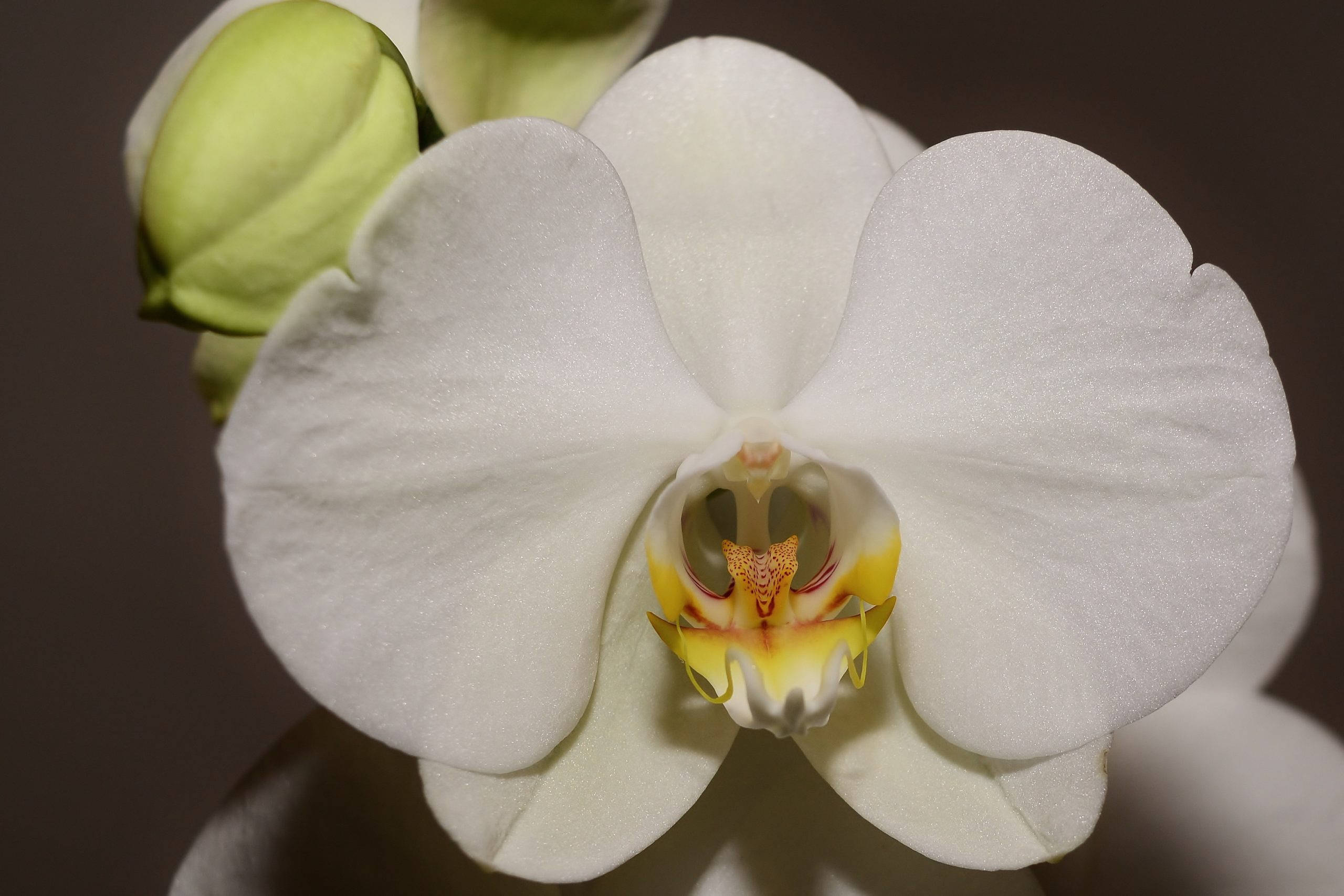
Orchids are unlike other flowering families of plants in respect to propagation. You can’t divide the plant or grow it from seed unless you use in-vitro methods but there is one trick for creating new plants and that’s utilising an inherent orchid trait of producing keikis.
What Exactly is a Keiki?
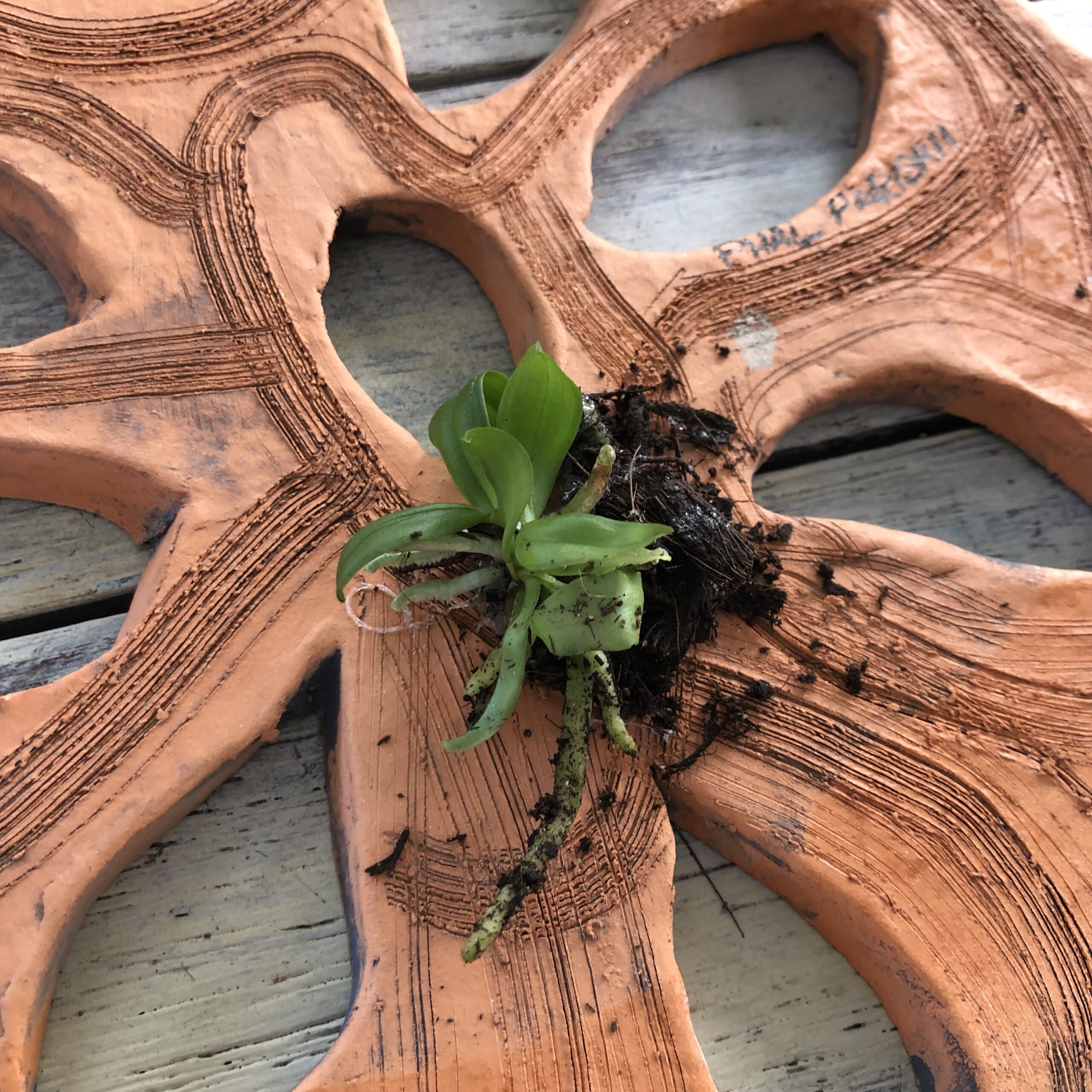
A keiki is a miniature plantlet that develops directly from a node on the flower spike of the mother plant. It grows its own leaves and roots while still attached, and once mature enough can be removed and potted on as a fully independent plant. Crucially, because it develops from the mother plant’s own tissue, it is a genetic clone — meaning you get an identical copy of your original orchid.
How Keikis Form Naturally
Keikis occur when a node on the flower spike, instead of producing a flower, redirects its energy into developing a plantlet. This happens due to shifts in the plant’s hormonal balance, particularly after flowering when levels of auxin begin to drop. With less hormonal suppression on the nodes, conditions become favourable for plantlet development.
Warm temperatures and high humidity encourage natural keiki production, as does stress. A plant that has experienced root problems, temperature fluctuations, or general decline may produce a keiki as a survival instinct — a way of reproducing before it potentially deteriorates further. Some phalaenopsis hybrids are also simply more genetically predisposed to throwing keikis than others, so if your orchid produces them readily, consider it a bonus trait worth encouraging.
Using Keiki Paste to Encourage Development
For growers who don’t want to leave things to chance, keiki paste offers a reliable method of encouraging plantlet development. The paste contains cytokinin suspended in a lanolin or petroleum jelly base that keeps the hormone in contact with the node tissue.
It is important to understand that keiki paste and rooting hormone are not the same thing and cannot be used interchangeably. Rooting hormone contains auxin, which encourages root growth on existing tissue — it will not prompt a dormant node to develop into a keiki. Cytokinin is the active ingredient doing the work here, and commercial products such as Keiki Grow are specifically formulated for this purpose.
Timing Your Application
Keiki paste should always be applied after flowering, once the last bloom has dropped but whilst the spike remains green and healthy. During active flowering, auxin levels in the spike are high and work against cytokinin, suppressing node development. Once flowering ends this hormonal balance shifts, creating the ideal window for paste application.
A green spike is essential — once it begins to yellow and die back the nodes are no longer viable and will not respond. This is why many growers resist the urge to cut their spikes down immediately after blooming, preferring to leave them in place for either reblooming or keiki production.
When selecting a node, choose one towards the lower or middle section of the spike and carefully remove the small papery bract covering it before applying a small amount of paste with a toothpick. Applying paste to two or three nodes simultaneously is a sensible strategy as it improves your overall chances of success.
What to Expect and Success Rates
Patience is essential. It typically takes four to eight weeks before you see any visible response, and success is not guaranteed. Based on the collective experience of orchid growers, success rates using keiki paste under good conditions tend to fall in the range of fifty to seventy percent, though this varies considerably depending on spike health, environmental conditions, the vigour of the mother plant, and the freshness of the paste itself.
If no response is visible after six to eight weeks a second application to the same node is worth attempting. If that also fails, the node is unlikely to respond and attention is best turned elsewhere.
Once your keiki has developed a minimum of two to three roots each around two to three centimetres in length, it is ready to be carefully cut from the spike and potted into fresh orchid bark mix in its own container.
A Note on Unusual Growth
Occasionally growers report keikis that look slightly different from the mother plant — unusual leaf variegation or flowers that don’t quite match. This is due to the influence of cytokinin on cell division, which can occasionally trigger dormant genetic traits or cause minor abnormal development. It is harmless and relatively rare, but worth knowing about so it doesn’t come as a surprise.
Producing keikis, whether naturally or with a little hormonal encouragement, is one of the most rewarding aspects of growing phalaenopsis orchids — and a wonderful way to build your collection without spending a cent.

If you want to learn more about growing orchids see my four part series starting here
You might also consider joining the Australian Orchid Council or the American Orchid Society to learn more about these amazing plants.